
UTP cable 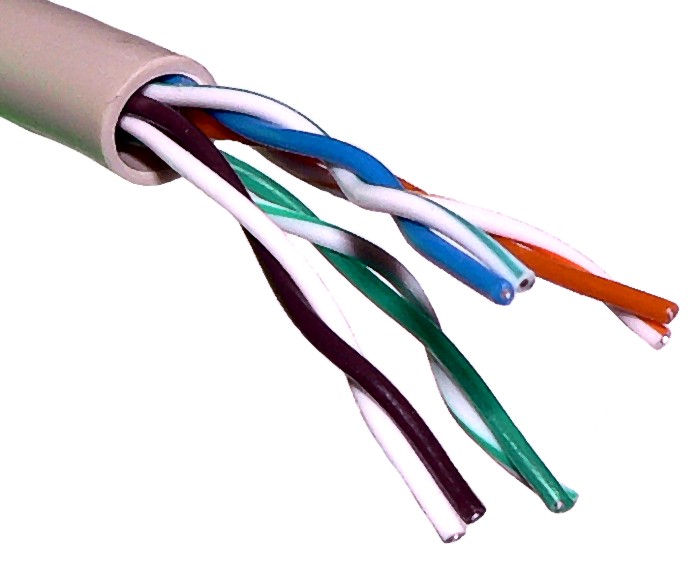 • A pair of cables in a twist • Ability transmission until 10 Mbops • using RJ-11 or RJ-45 Coaxial cable
  • wide bandwidth, • broadband • thick coax (10BASE5), RG-8 • thin coax (10BASE2), RG-58 Fiber Optic
  • Expensive • Bandwidth width • almost no resistance and loss • can not be on-tap in the middle • is not disrupted by the weather and heat • is one of the main cable future Wireless
  • easy installation • Inter-hosts are interconnected use the radio
Archives for : basic networking
Routing Protocol and Topology
|
Routing
|
Protocol
|
Plus
|
Minus
|
|
Default Route
|
-
|
·Small Overhead
·Fast connection
·Small networks
|
·Low reliability
·Does not Flexible with change condition
|
|
Static Routing
|
-
|
·Small Overhead
·Fast connection
·Small networks
|
·Low Reliability
·Does not flexible with change condition
|
|
Dynamic Routing
|
·RIP
·IGRP
·EIGRP
·BGP
·OSPF
|
·High Reliability
·Flexible with change of networks
·Big networks
|
·Big Overhead
|
Networking Topology
Networks Technology
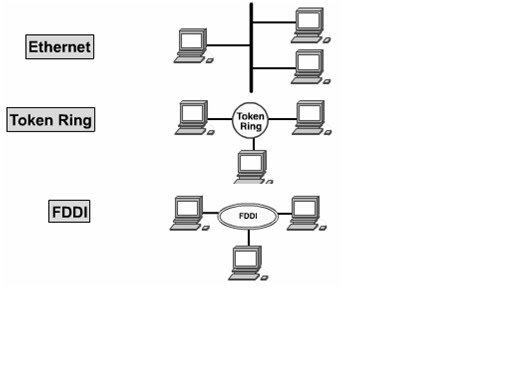
Networks Topology
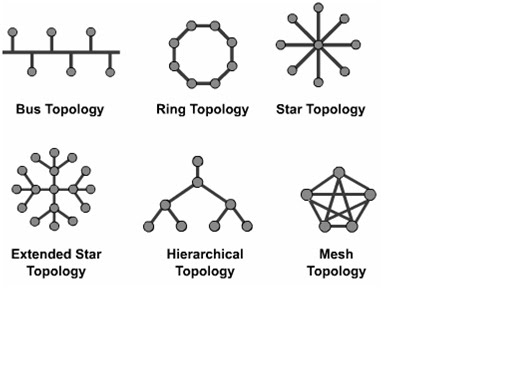
OSI REFERENCE MODEL
Definition
Standard Model that represented of communicate network devices and network that be developed by International Standard Organization (ISO)
The Purpose of OSI Model:
To help engineer to know, use, and design from data process.
OSI Layer:

Layer 7(Application)
Function: Serve with application that connect direct to the user
Protocol: File transfer, e-mail, and access to database
Layer 6 (Presentation)
Function: compression and encryption data
Protocol: ASCII, EBCDIC, MIDI, MPEG,TIFF, JPEG
Layer 5 (Session)
Function: Coordinating communication between system.
Protocol:SQL, NETBEUI, RPC, XWINDOES
Layer 4(Transport)
Function: send packet data without fault and without duplication
Protocol: TCP, UDP,SPX
Layer 3(Network)
Function: determine the packet data track and continue to the next device.
Protocol: IP, IPX, ARP, RARP, ICMP, RIP, OSFT, BGP
Layer 2 (Data Link)
Function: Manage the binary data (0 and 1) to be logical group
Protocol: SLIPP, PPP,MTU
Layer 1 (Physical)
Function: transmit binary data pass through communication line.
Protocol: 10 BaseT, 100 BaseTX, HSSI, V.35, X.21
Service of TCP-IP:
Network File System (NFS) : Client-server service that used to sharing directory
Dynamic Host Configuration Protocol : Service that give automatic IP address to the clients
Domain Name System (DNS) : Service that distribute database Computer Name to IP address and vice versa .
Hypertext Transfer Protocol (HTTP) : Service that used by World Wide Web to show Text Page, Images, Sound, and Multimedia Information and other that used Web Browser.
File Transfer Protocol (FTP) : Service that supply exchange of data accompany of the System.
Simple Mail Transfer Protocol (SMPTP) : Service that supply distribute mail messages to the user.
Routing Information Protocol (RIP) : Service that supply distribute routing information automatically accompany of the System.